
The danger hidden beneath the sand
Article prepared by the specialists at Aventino Medical Group.
Scientific review: Dr Alessandro Cristaudo, Specialist in Internal Medicine; Dr Luigi Cornacchia, Specialist in Dermatology.
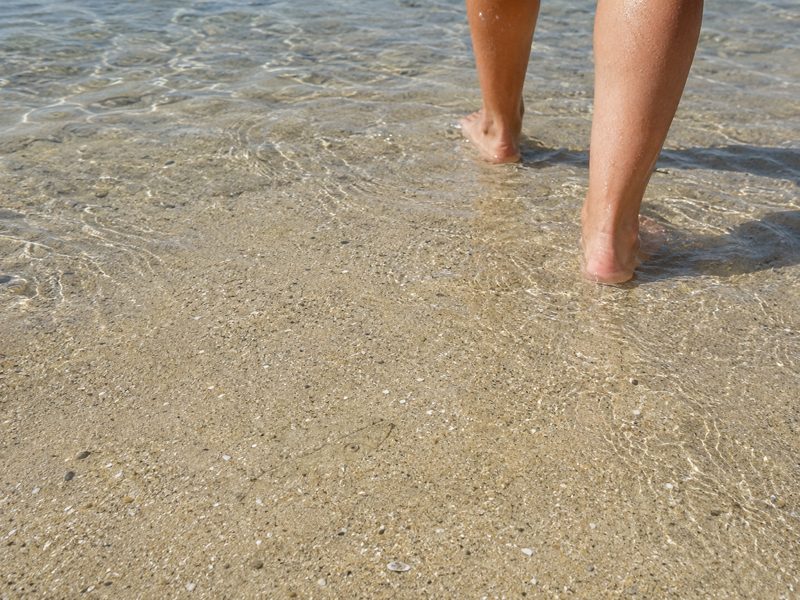
Many tourists have never heard of it, yet the weever fish, also known as the greater weever or spider fish, is probably responsible for some of the most painful stings occurring on Italian beaches every summer.
Where does it hide?
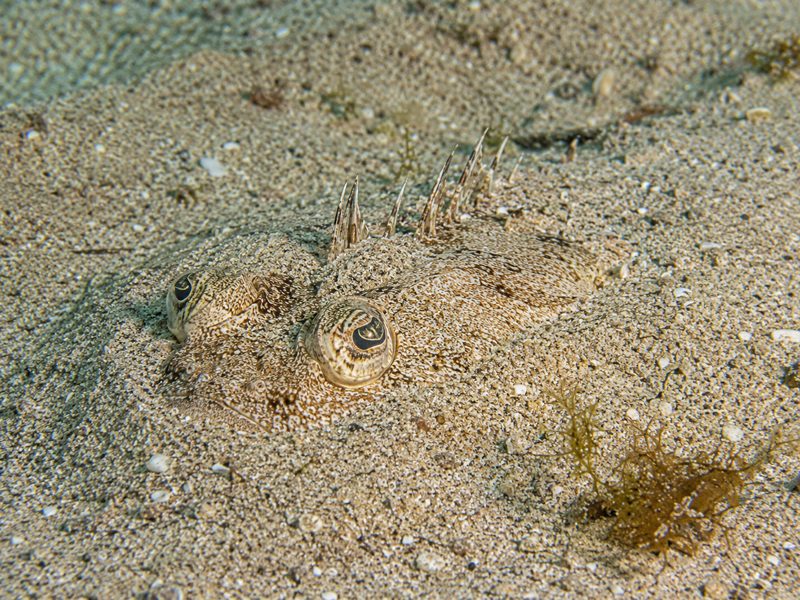
This small fish lives on sandy seabeds and spends much of the day partially buried in the sand, with only its eyes and venomous dorsal spines protruding.
It is most commonly found:
- on sandy beaches;
- in shallow water;
- on days when the sea is calm;
- in areas frequented by children and barefoot beachgoers.
How does the sting occur?
The sting is almost always accidental.
While walking through shallow water, a person may step on the fish hidden beneath the sand. To defend itself, the weever fish raises its dorsal spines, which penetrate the skin and inject venom.
What symptoms can it cause?
⚠️ Pain begins immediately and is often extremely intense, sometimes described as a burning sensation or an electric shock.
Within a few minutes, the following may develop:
- severe pain;
- swelling;
- redness;
- difficulty putting weight on the affected foot.
More sensitive individuals may also experience:
- nausea;
- sweating;
- dizziness;
- a general feeling of being unwell.
What should you do?
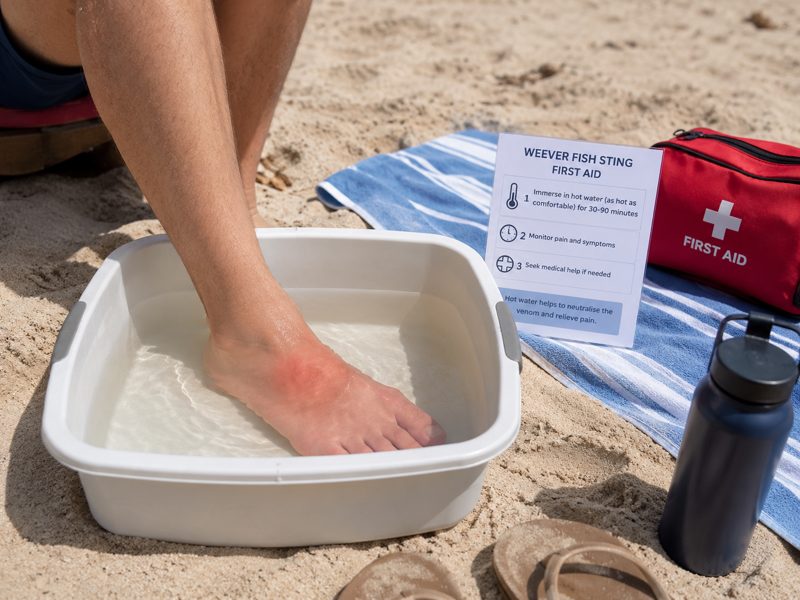
✅ Weever fish venom is heat-sensitive, meaning that it is inactivated by heat.
For this reason, the most effective treatment is to immerse the affected area in very warm water at a temperature of approximately 40–45°C for at least 30 minutes, taking care not to cause burns.
How can stings be prevented?
Prevention is simple:
👟 Wear water shoes or protective beach footwear when walking through shallow water.
Another useful precaution is to shuffle the feet gently along the sandy seabed. The vibrations tend to make the fish move away before contact occurs.
Did you know?
The weever fish spends much of the day hidden beneath the sand.
Although it is often only 10–30 centimetres long, it can be almost invisible to beachgoers walking through shallow water.
Even a dead weever fish can still sting
Its venomous spines remain dangerous and the fish should always be handled with care.
In summary
📍 Where? Sandy seabeds and shallow water.
📍 When? Mainly during the summer and when the sea is calm.
📍 Main symptom? Immediate and extremely intense pain.
📍 First aid? Warm water for at least 30 minutes.
📍 Prevention? Water shoes and caution when walking over sandy seabeds.
Concerns after a sting or bite?
If the pain is severe, your symptoms worsen, or you develop difficulty breathing, feel generally unwell, or experience other significant symptoms, go to the nearest Emergency Department.
For non-urgent concerns, you can book an appointment at Aventino Medical Group.