
In Rome you can receive care through the SSN (public) and the private sector. They often work in combination. Here you’ll find: how to access care, useful documents, payments/reimbursements, and when to choose one or the other.

How does the SSN work in Rome, in practice?
- Registration with your ASL → you obtain the certificate and the Tessera Sanitaria (Health Card).
- Choose a GP/Paediatrician (MMG/PLS) → prescriptions, referral forms, specialist referrals.
- Book via the CUP (desk/phone/web) with a referral.
- Co-pays (ticket) and exemptions where applicable (income, age, pregnancy, chronic conditions, disability).
- Emergency Department for urgent needs (5-level triage).
Strengths: hospital network, chronic-care pathways, inpatient coverage.
Frequent limits in Rome: waits for visits/diagnostics, uneven availability, language barrier.
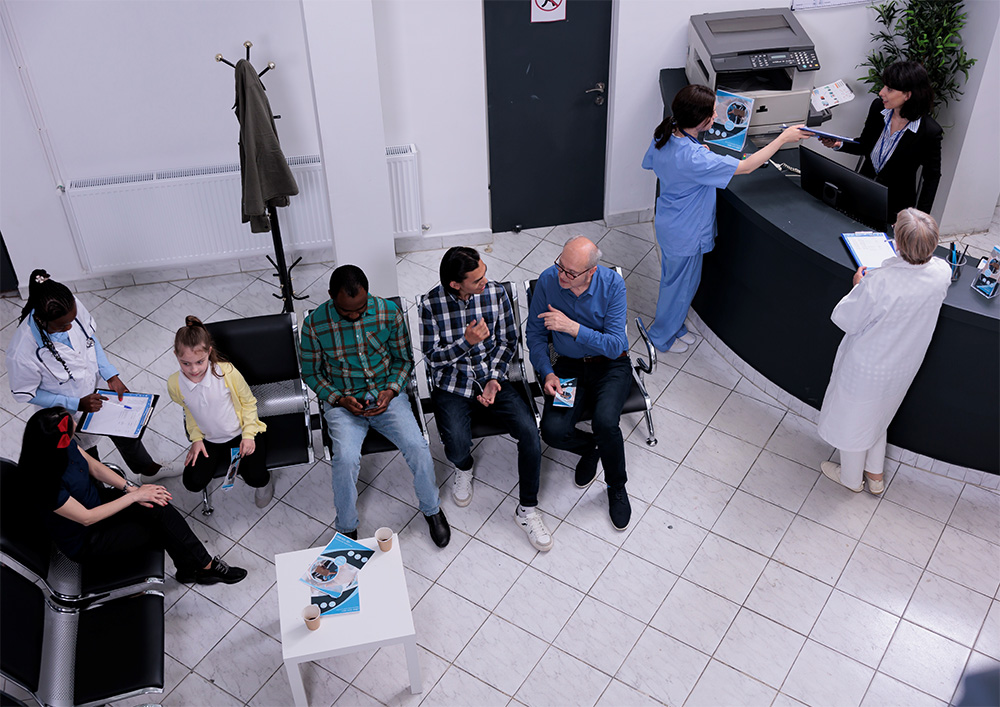
How does private care work (with or without insurance)?
- Direct access: specialists, diagnostics, teleconsultations, and, where available, home visits.
- Payment: out-of-pocket or via insurance (reimbursement or direct billing/GOP if available).
- Documentation: ask for an itemised (fattura parlante) invoice; reports available in IT/EN/FR.
Strengths: fast timelines, flexible hours, multilingual staff, insurance support.
Limits: costs if not covered; some policies require pre-authorisations.

SSN or private: when is one, the other, or both worthwhile?
- Go to the SSN first for: emergencies (112/ER), major trauma, hospital admissions, structured oncology pathways, parts of the free childhood vaccination schedule, public networks for chronic conditions, rehabilitation and palliative care.
- Choose private first for: shortening waits for non-urgent issues; ensuring continuity with the same specialist and an organised follow-up; carrying out adult and paediatric vaccinations (boosters, travel, HPV, influenza, etc.) with flexible hours and the option to coordinate vaccine and visit in a single access; providing care in multiple languages (IT/EN/FR) and practical support with insurance.
- Aim for an integrated strategy: SSN for what requires the hospital network, long-term management and public safeguards; private care to speed up diagnosis and check-ups, choose your specialist, manage language and insurance, and schedule vaccinations and follow-ups more flexibly—while keeping a clear thread across every step.
Which documents should I always carry?
- Passport/ID and Codice Fiscale (also useful in private care).
- Tessera Sanitaria (if in the SSN) / TEAM-EHIC (if visiting from the EU).
- Residence permit (non-EU) or receipt.
- Insurance policy: number, coverage, contacts, GOP/pre-authorisation rules.
- Previous reports, list of medications/allergies.
I’m not resident in Rome/Italy: what changes for me?
EU/EEA/CH on a short visit
- With TEAM/EHIC: medically necessary care in the public system (co-pays may apply).
- Without TEAM: pay and claim reimbursement from your home insurer, or use private care.
EU resident in Rome
- SSN registration (work, study, family, S1/S2).
- GP/paediatrician + freedom to integrate with private care.
Non-EU with permit and resident
- SSN generally mandatory (work, family reunification, protection).
- Required: passport, permit/receipt, tax code, residence/domicile.
Non-EU non-resident (tourism/short stay)
- Typical pathway: private/insurance.
- For non-deferrable needs in the public system: STP code; for EU citizens not enrolled in the SSN: ENI.
- Tip: a policy valid in Italy.
Staff of international organisations (e.g. UN)
- Often not enrolled in the SSN → private care with direct billing or reimbursement; emergencies in the public ER followed by reimbursement.
Students
- EU: TEAM or SSN (if resident); otherwise private insurance.
- Non-EU: insurance often mandatory; possible voluntary SSN enrolment with a contribution if resident for study.

How do I book SSN visits/exams step-by-step?
- Register with the ASL → certificate + Health Card.
- Choose GP/PLS.
- Obtain your doctor’s referral.
- Book through the CUP (desk/phone/web).
- Co-pays & exemptions (if applicable).
- Keep receipts and reports.
How do I get reimbursed for a private visit with insurance?
- Reimbursement: you pay → you submit an itemised invoice (patient data, service, date; for vaccines also lot number) + report/diagnosis if requested.
- Direct Billing/GOP: the facility bills the insurer directly (often requires pre-authorisation).
- Before booking: check limits, deductibles, required documents, reimbursement timelines and submission deadlines.
Quick FAQs (most searched)
Can I combine public and private care?
Yes—often the best choice: SSN for continuity/hospital care; private for timelines, language, coordination and insurance.
I’m not in the SSN: can I still get care?
Yes: in the private sector (ideally with a policy). For non-deferrable needs in the public system there are STP/ENI.
How does the Emergency Department work?
Open access for emergencies; priority set by 5-level triage.
What does TEAM/EHIC cover?
Medically necessary public care under the same conditions as residents (co-pays may apply).
Are teleconsultations and home visits available?
In the private sector they often are, when clinically appropriate.
Immediate checklist before you leave home
- ID/passport and Codice Fiscale
- Health Card/TEAM (if applicable)
- Residence permit (non-EU)
- Policy (number, contacts, GOP rules)
- Reports, medications, allergies
Useful numbers
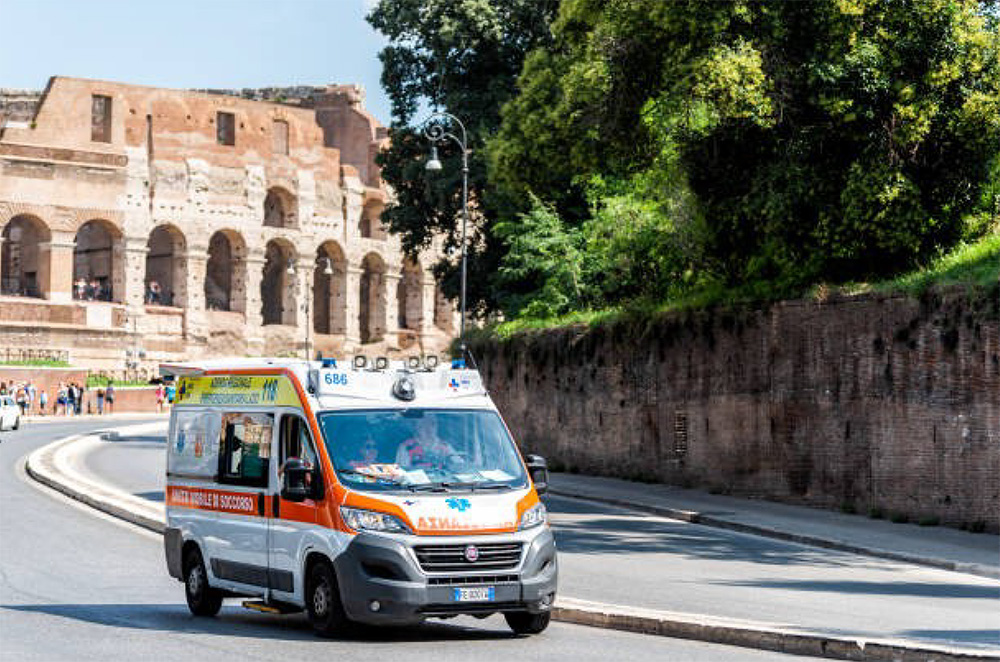
- Medical emergency: 112 (EU single number)
- Out-of-hours GP (Guardia Medica / Continuity of Care): search “Guardia Medica + your area/ASL”
Key message (to remember)
In Rome, the public system remains central for emergencies and chronic care, and hospital admissions are available in both the public and private sectors. The private route is a primary option when speed, multilingual care, coordinated specialists, and insurance documentation are priorities. Thoughtfully combining the two pathways helps you get better care, faster.