
A practical guide for Italians, expatriates and international families
By Dr Armando Calzolari, Cardiologist and Sports Medicine Physician, and Dr Valentina Ambrogio, Medical Doctor, second-year resident in Sports Medicine, Aventino Medical Group, Rome
Every year, as the new sports season begins, thousands of people ask the same question:
Which medical certificate do I need to practise sport in Italy?
For people who have recently moved to Italy, the answer can be surprising. In many countries, a medical certificate is required only in specific circumstances. In Italy, however, medical certification is frequently associated with organised sports activities and represents an important tool for health protection and disease prevention.
Italian legislation mainly distinguishes between three types of physical activity:
- recreational physical activity;
- non-competitive organised sports activity;
- competitive sports activity.
The distinction does not depend solely on the type of exercise performed. More importantly, it depends on the context in which the activity takes place, whether the participant is registered with a sports organisation, and how the activity is organised.
This guide explains the main differences and helps you identify which medical certificate, if any, may be required.
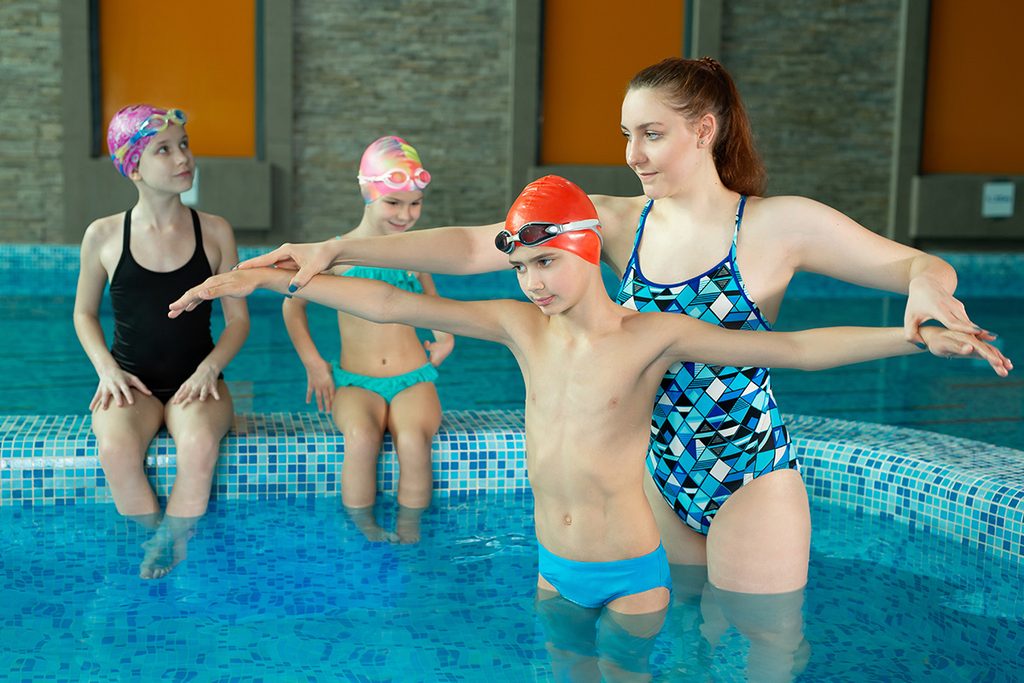
1. Recreational physical activity
This category includes physical activity undertaken exclusively for personal well-being, without membership of a sports club or a federation recognised by the Italian sports system.
Examples include:
- working out independently at a gym;
- attending a fitness class;
- practising yoga or Pilates;
- running on your own;
- recreational swimming;
- attending a recreational course that is not affiliated with a sports club or federation.
For this type of activity, Italian national legislation does not require a medical certificate.
However, this does not necessarily mean that a certificate will never be requested. A gym, swimming pool or fitness centre may require one as part of its membership conditions or internal regulations, for organisational, insurance or health and safety reasons.
Before booking a medical examination, it is therefore advisable to ask the facility:
- whether a medical certificate is actually required;
- which type of certificate is required;
- whether enrolment includes registration with a sports club or sports organisation.
2. Non-competitive organised sports activity
This is the most common situation.
Italian legislation requires a medical certificate for certain categories of people participating in organised non-competitive sports activities.
According to current regulations, this includes:
- students taking part in school-organised sports activities outside the regular curriculum;
- students participating in the preliminary stages of the National School Sports Games;
- individuals registered with sports clubs or associations affiliated with National Sports Federations, Associated Sports Disciplines or Sports Promotion Organisations recognised by the Italian National Olympic Committee (CONI).
The medical assessment includes:
- personal and family medical history;
- clinical examination;
- blood pressure measurement;
- evaluation of a resting electrocardiogram (ECG), as required by Italian regulations;
- any additional investigations considered necessary by the examining physician.
Preschool children between 0 and 6 years of age are exempt from the requirement for a medical certificate for non-competitive sports activities, unless otherwise recommended by their paediatrician.
Unless otherwise specified, the certificate is valid for one year.
At Aventino Medical Group, medical examinations for the issuance of a non-competitive sports medical certificate are available for children, adolescents and adults, in full compliance with current Italian legislation.

| What happens in practice? The legal distinction between recreational physical activity and non-competitive organised sports activity remains valid. In everyday practice, however, the boundary is not always clear, and sports facilities do not always apply these definitions consistently. Many gyms, swimming pools and sports organisations require a medical certificate even when the activity is essentially recreational and would therefore normally fall within the category of recreational physical activity. This may be because: membership includes registration with a sports club or sports organisation;the requirement is established by the affiliated association or governing body; the facility’s insurance policy requires medical certification; the membership contract includes this requirement; the facility wishes to document participants’ health status before they begin the activity.As a result, a gym or swimming pool may simply ask for a non-competitive sports medical certificate, even when the activity itself does not formally fall into the category for which Italian law makes the certificate mandatory. For this reason—especially if you are unfamiliar with the Italian system—the most useful rule is very simple: Before booking your medical examination, ask the gym, swimming pool, school or sports club to specify in writing exactly which type of medical certificate is required. Rather than asking simply whether “a medical certificate” is needed, it is advisable to clarify whether they specifically require: a certificate for recreational physical activity; a certificate for non-competitive organised sports activity; a certificate for competitive sports activity. If you are still unsure, it is also worth asking whether your registration includes membership of a sports club or sports organisation, as this may determine whether a non-competitive sports medical certificate is legally required. |
3. Attività sportiva agonistica
Competitive sports activity
Athletes participating in competitive sports must undergo a specific medical certification process.
Whether an athlete is considered competitive does not simply depend on the intensity of training. Instead, it is determined by the rules of the relevant Sports Federation, which defines, for each discipline, the age groups and competition categories classified as competitive.
Depending on the sport, the medical examination may include:
- a specialist sports medicine examination;
- a resting and exercise electrocardiogram (ECG);
- an exercise stress test;
- spirometry;
- urinalysis;
- any additional investigations required for the specific sport or considered necessary by the examining physician.
A competitive sports medical certificate may only be issued by authorised Sports Medicine physicians working in accredited facilities, in accordance with current Italian legislation.
Aventino Medical Group does not issue medical certificates for competitive sports activities.
Who decides which certificate is required?
The type of medical certificate required depends on the context in which the activity takes place, whether the participant is registered with a sports club or organisation, and the rules applied by the sports facility or club.
Before booking your medical examination, it is therefore advisable to ask the gym, swimming pool, school or sports club to specify:
- the type of medical certificate required;
- whether the specific sport or discipline must be stated on the certificate;
- whether registration with a sports club or sports organisation is involved.
Doing so helps avoid misunderstandings and ensures that you book the appropriate medical examination from the outset.

Why is a medical certificate required in Italy?
The purpose of medical certification is not to create unnecessary barriers to participation in sport, but to help ensure that physical activity is practised safely.
Even a routine medical examination may identify cardiovascular conditions or other health issues that warrant further investigation before a person begins regular or intensive physical activity.
Italy is internationally recognised for its longstanding experience in cardiovascular screening for athletes, and the current certification system was developed primarily to reduce the health risks associated with sports participation.
The legal framework
The main regulations governing medical certification for sports activities in Italy are:
- Ministerial Decree of 18 February 1982, governing medical certification for competitive sports activities;
- Ministry of Health Decree of 24 April 2013, concerning medical certification for non-competitive and recreational sports activities;
- Ministry of Health Decree of 8 August 2014, providing the implementing guidelines;
- Explanatory Note of the Ministry of Health of 16 June 2015;
- Supplementary Note of 28 October 2015;
- Italian National Olympic Committee (CONI) Circular of 10 June 2016, clarifying the categories of registered athletes required to obtain medical certification.

How we can help
At Aventino Medical Group, we provide medical examinations for the issuance of non-competitive sports medical certificates for children, adolescents and adults.
Each examination includes a thorough clinical assessment together with all investigations required under current Italian legislation, with the aim of ensuring that every patient can participate in sports safely and with confidence.
If you need a non-competitive sports medical certificate, or would simply like advice on which type of medical certification is appropriate for your sporting activity, our team will be pleased to assist you.