
Article written with the contribution of the pediatricians of Aventino Medical Group — Guido Castelli Gattinara, Paola Groff, Blegina Shashaj and Catherine Stainier — and the internists Alessandro Cristaudo and Gabriella Nataloni.
A practical guide for city walks, beach holidays with children, mountain trips and international travel
A summer trip is usually associated with relaxation, discovery and time spent outdoors. However, even a well-organized holiday can quickly become stressful because of fever, dehydration, insect bites, sunburn, minor injuries or forgotten medications.
Preparing a simple and well-organized medical kit before departure can help manage many common situations more calmly, especially when travelling with children, elderly people or individuals with chronic conditions.
The ideal travel medical kit may vary depending on the destination, age, medical history and planned activities. Here are some practical suggestions for different summer situations.
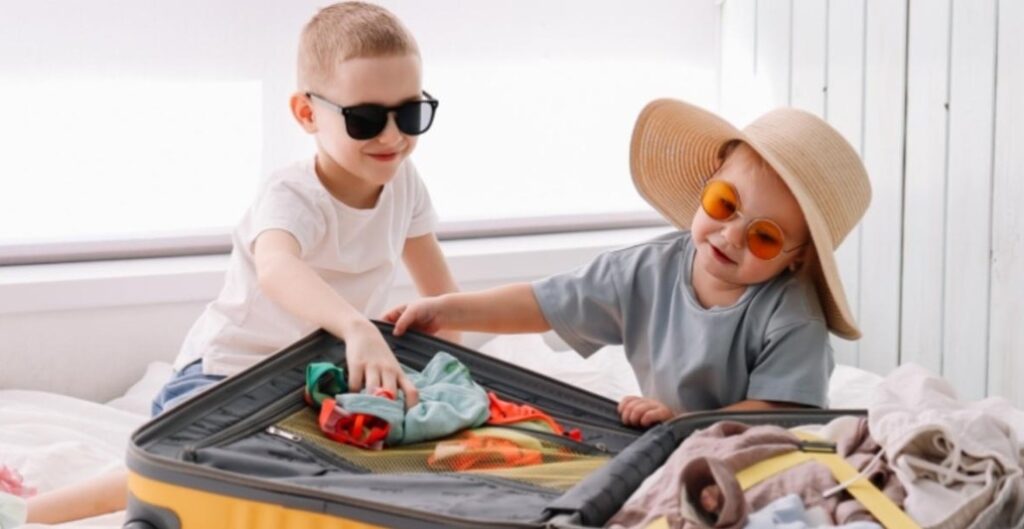
The essential summer medical kit
Before leaving, it is useful to prepare a small kit with essential items that can easily be carried during the trip.
Essential summer medical kit
| What to bring | Why it may be useful |
| Thermometer | To monitor fever accurately |
| Disinfectant and sterile gauze and a small bottle of 2% eosin | For small wounds and skin injuries |
| Bandages and small dressings | For cuts, scratches and minor accidents |
| Saline solution | For nose, eyes or gentle cleansing |
| Insect repellent | To reduce insect bites |
| Appropriate sunscreen (Total barrier for younger children) | To protect the skin from UV exposure |
| After-sun lotion or soothing cream | For mild redness or skin irritation |
| Medication already known and well tolerated for pain or fever | For fever, headache or pain |
| Oral rehydration salts | Useful in case of vomiting or diarrhea and possible dehydration |
| Regularmedications in quantities appropriate to the period | To avoid interruption of ongoing treatments |
| Copies of prescriptions and essential medical documents | Useful in case medical care is needed during the trip |
Keeping everything organized in a waterproof pouch can make it easier to access what is needed when necessary.
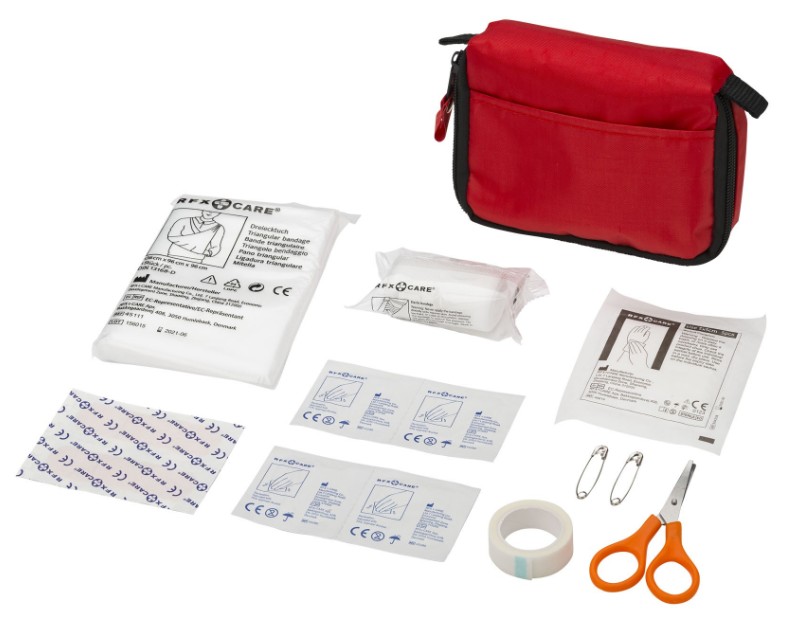
A day in the mountains
Mountain excursions often involve long walks, sun exposure, dehydration and minor injuries such as blisters or sprains. Even during summer, weather conditions can change quickly.
What to add for the mountains
| What to add | Practical usefulness |
| Blister bandages | For long walks and hiking shoes |
| Elastic bandage | For mild sprains or joint discomfort |
| High-protection sunscreen (Total barrier for younger children) | Sun exposure is stronger at high altitude |
| Insect repellent | Useful in wooded or grassy areas |
| Water and snacks | To prevent dehydration and fatigue |
| Allergy medication, if already prescribed | For known allergic reactions |
| Antibiotic and cortisone ointment | For insect bites and minor infections |
| Phone charger or power bank | Important in emergencies |
| Local emergency numbers | To know quickly who to contact if needed |
Even at high altitude, sun exposure should never be underestimated, especially for children and people with fair skin.

Beach holidays with children
Beach holidays with children often involve heat, sun exposure, mild skin irritation, ear discomfort, fever or gastrointestinal symptoms related to travel and changes in routine.
Beach holidays with children
| What to bring | Why it is important |
| Pediatric sunscreen (Total barrier for younger children) | Children’s skin requires specific protection |
| Hat and UV-protective clothing | To reduce direct sun exposure |
| Saline solution | Useful for nose, eyes or gentle cleansing |
| Thermometer | To monitor fever |
| Oral rehydration salts and probiotics | Useful in case of vomiting or diarrhea and possible dehydration |
| Child-appropriate medication for fever or pain, according to the pediatrician’s advice | To manage fever or discomfort safely |
| Soothing cream for skin irritation | For redness, chafing or mild irritation |
| Prescribed allergy or asthma medication, if needed | To avoid being unprepared during the trip |
| Antibiotic and cortisone ointment | For insect bites and minor infections |
Young children can become dehydrated more quickly during hot weather, making hydration and sun protection especially important.
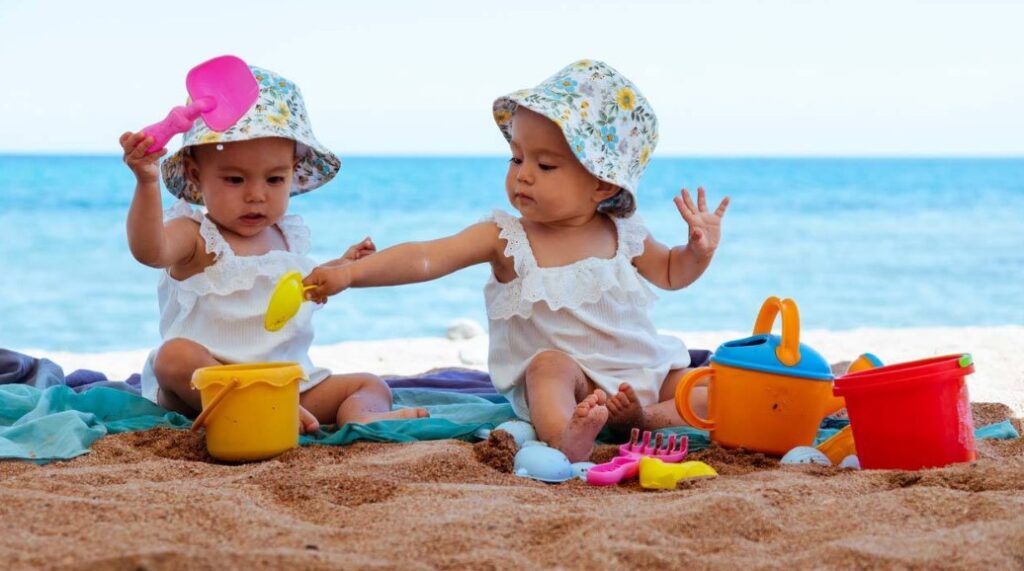
A week abroad
Travelling abroad requires additional preparation, especially regarding continuity of care, prescriptions and access to healthcare services.
✈ What to add for international travel
| What to add | Why it is important |
| Regular medications in sufficient quantity | To cover the entire trip |
| Prescriptions in English, if possible | Useful in pharmacies or medical centers abroad |
| Health insurance information | To facilitate access to healthcare |
| List of allergies, medical conditions and ongoing medications | Essential in emergencies |
| Basic over-the-counter medications already familiar to the traveler | To avoid unfamiliar products abroad |
| Oral rehydration solution and probiotics | Useful in case of vomiting or diarrhea and possible dehydration |
| Emergency numbers and address of a reliable medical facility at the destination | To know where to go if needed |
In some countries, medications may have different names or may not be easily available.
When to seek medical advice
Medical assistance should be sought if symptoms become severe, persistent or unusual during the trip.
This includes:
- Persistent or very high fever
- Severe diarrhoea with vomiting and signs of dehydration, such as dry tongue, sunken eyes, reduced urination, etc.
- Breathing difficulties
- Extensive or severe skin or other allergic reactions
- Prolonged diarrhoea
- Severe, persistent ear pain
- Urinary symptoms
- Deep wounds or trauma
- Symptoms that worsen instead of improving
A well-prepared trip begins before departure
A carefully prepared medical kit cannot prevent every problem, but it can make travel safer, easier and less stressful for both adults and children.
Before leaving — especially with children, elderly people or individuals with chronic conditions — it may be useful to ask a doctor which medications and precautions are most appropriate for the specific destination and travel conditions.
Planning a summer trip?
Before departure, especially with children or chronic medical conditions, personalized medical advice can help you prepare in a safer and more reassuring way.
At Aventino Medical Group, patients can receive pre-travel medical consultations, international travel support, medication advice and assistance for families travelling with children.
During the consultation, recommended vaccinations can also be assessed and, where appropriate, administered.