
Small Summer Encounters, Big Questions About Your Skin
Article prepared by the doctors of Aventino Medical Group: Luigi Cornacchia, Dermatology Specialist; Megon Bresciani, Allergy Specialist; Guido Castelli Gattinara, Infectious Diseases Specialist; Paola Groff, Paediatrics Specialist; Alessandro Cristaudo, Internal Medicine Specialist.
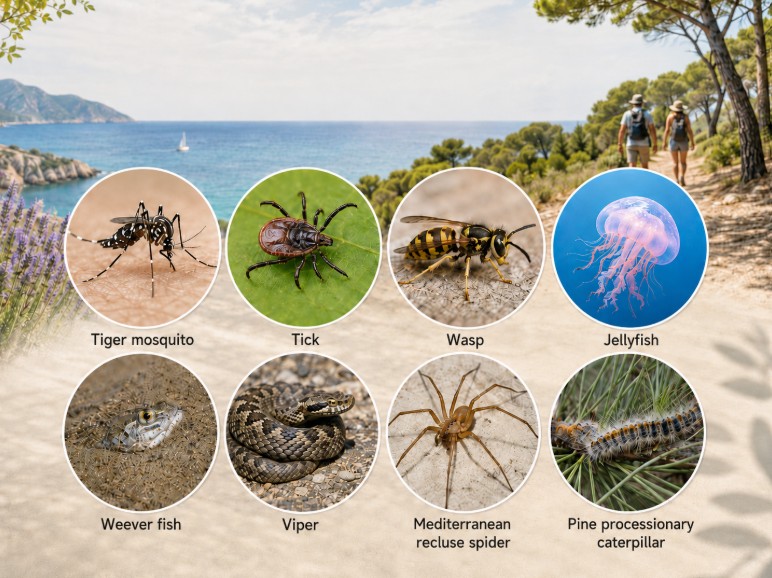
Summer in Italy is synonymous with holidays, walks in nature, days at the seaside and outdoor activities. However, it is precisely in the most beautiful places of the season that people may come into contact with insects, marine animals or other organisms capable of causing stings, bites or skin irritation.
In most cases, these are unpleasant but harmless episodes that resolve spontaneously within a few days. In some situations, however, it is important to recognise quickly the warning signs that require medical assessment.
How can you tell whether it is a simple mosquito bite or something that deserves greater attention? Which mistakes should be avoided? And when is it necessary to consult a doctor?
This guide provides an overview of the main risks associated with summer in Italy and will help you understand quickly what to do.
At a glance: what might have stung or bitten you?
| If you notice… | It could be… | What to do immediately |
| An itchy raised bump | Mosquito | Apply something cold and avoid scratching |
| A tick attached to the skin | Tick | Remove it correctly |
| Severe pain and immediate swelling | Bee, wasp or hornet | Apply ice and monitor the symptoms |
| Red streaks and burning after swimming | Jellyfish | Rinse with seawater |
| Very severe pain in the foot while in the sea | Weever fish | Immerse the foot in hot water |
| Two small puncture marks with increasing swelling | Viper | Keep the affected area still and go to the Emergency Department |
| Itching and dermatitis after contact with caterpillars or pine trees | Pine processionary caterpillar | Wash the affected area thoroughly |
| A skin lesion that worsens over the following days | Possible Mediterranean recluse spider bite | Seek medical assessment |
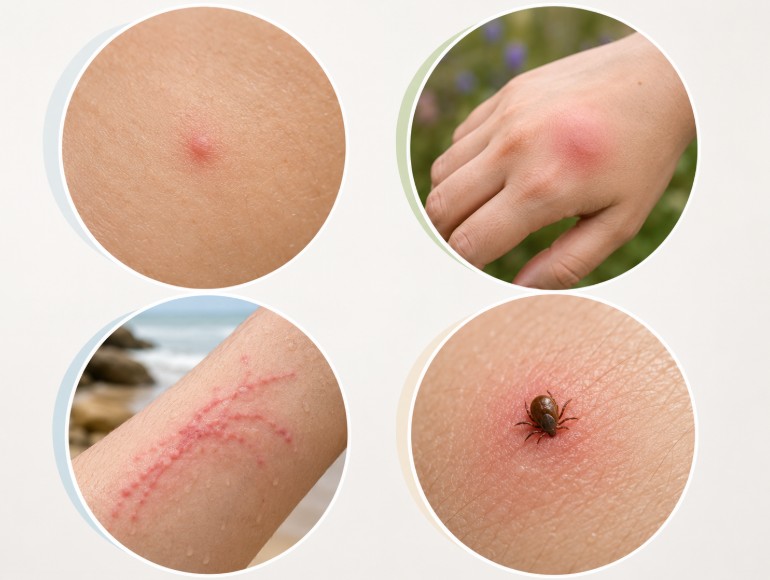
The Most Common Insect Stings and Bites
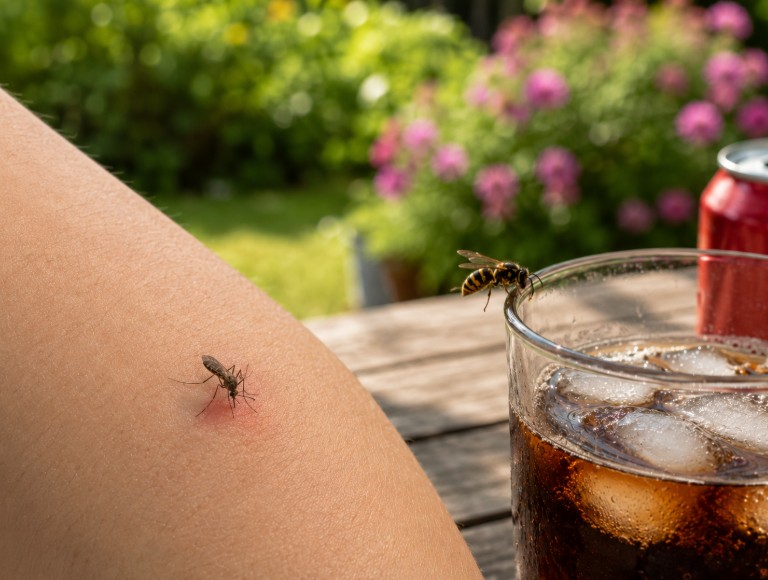
Insect stings and bites are undoubtedly the most common summer problem.
Mosquitoes generally cause itching and small areas of localised swelling, whereas bees, wasps and hornets cause immediate pain and a more noticeable inflammatory reaction.
For most people, the problem remains limited to the affected area. However, some individuals may develop severe allergic reactions requiring urgent medical treatment.
👉 Learn more: Mosquito Bites and Tiger Mosquitoes: Remedies, Prevention and When to Consult a Doctor
👉 Learn more: Wasp, Bee or Hornet Sting: What to Do Immediately, Allergy Symptoms and When to Go to the Emergency Department
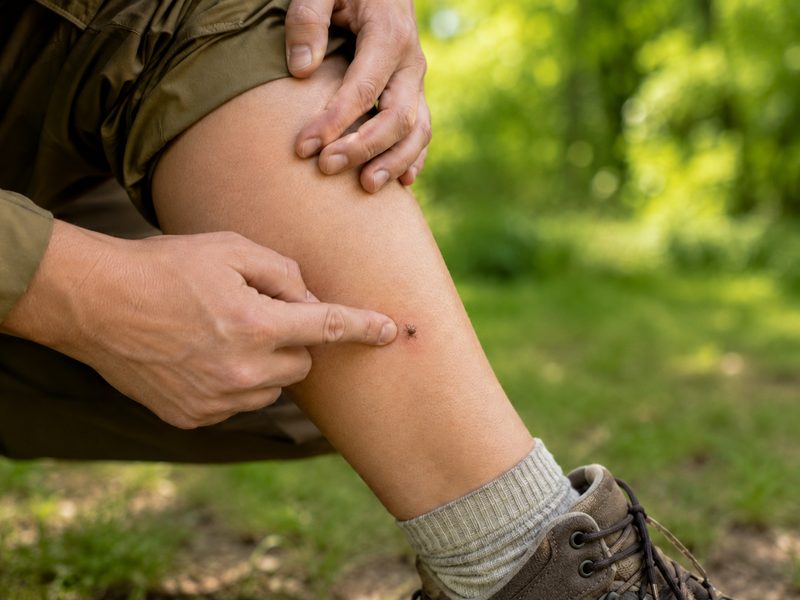
Ticks: Small but Not to Be Underestimated
Ticks are particularly common during hikes, walks in woodland areas or activities in the countryside.
Their bite is generally painless and often goes unnoticed. The reason they require attention is their ability to transmit certain infections, including Lyme disease, which must be treated with antibiotics.
Early and correct removal of the tick is the most important measure.
👉 Learn more: Tick Bite: What to Do, How to Remove a Tick and Symptoms of Lyme Disease
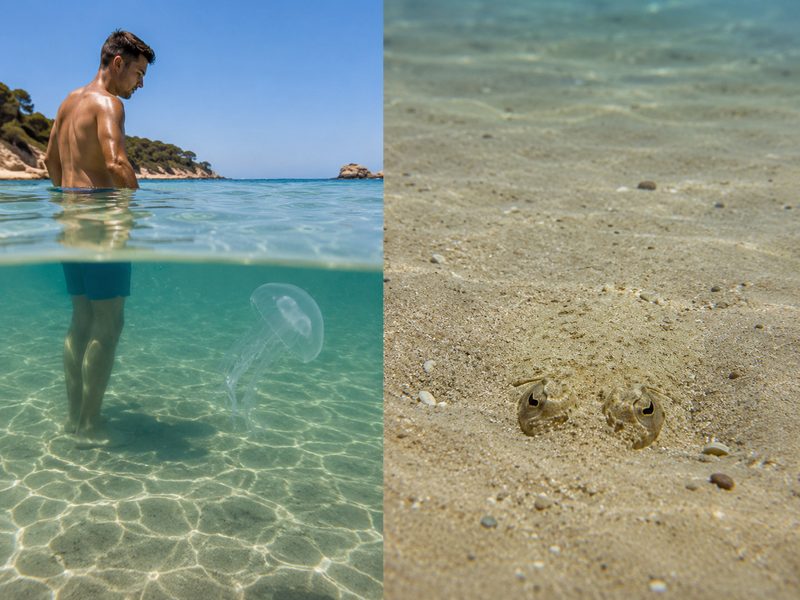
Hazards at Sea: Jellyfish and Weever Fish
The Mediterranean Sea offers wonderful opportunities for leisure, but it can also hold a few surprises.
Jellyfish are responsible for many episodes of burning and skin irritation during the summer. Fortunately, in most cases they cause only local symptoms.
The weever fish is less well known, but it can cause extremely severe pain when accidentally stepped on in shallow sandy waters.
👉 Learn more: Jellyfish Sting: What to Do Immediately, Effective Remedies and Mistakes to Avoid
👉 Learn more: Weever Fish Sting: What to Do Immediately, Symptoms and Remedies for Pain
The Animals That Cause the Most Fear
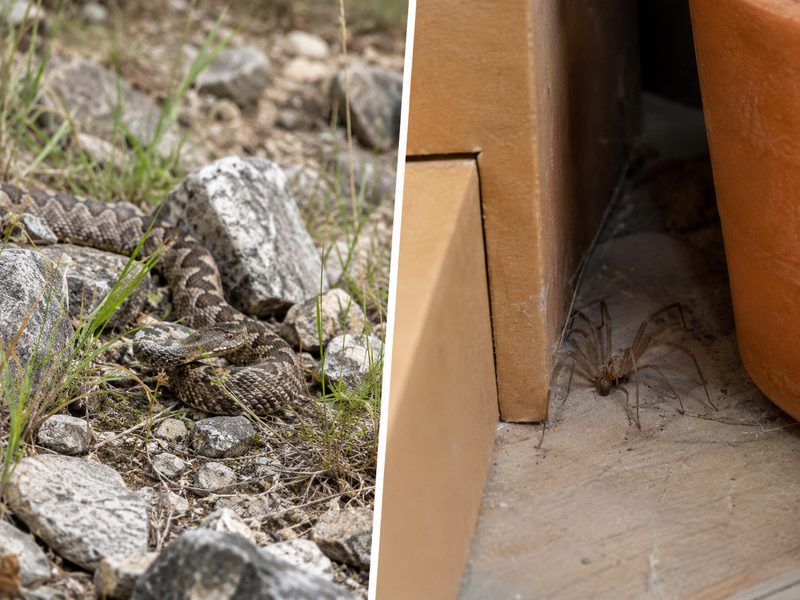
When people think about summer bites, vipers and spiders are probably the animals that cause the greatest concern.
In reality, both the Mediterranean recluse spider and the viper tend to avoid contact with humans, and accidents are relatively uncommon.
This does not mean that they should be underestimated: knowing the symptoms and understanding how to respond can make an important difference.
👉 Learn more: Viper Bite: Symptoms, What to Do Immediately and When to Go to the Emergency Department
👉 Learn more: Mediterranean Recluse Spider and Black Widow Spider Bites: Symptoms, Pictures, What to Do and When to Worry
Pine Processionary Caterpillars: A Risk Many People Do Not Know About
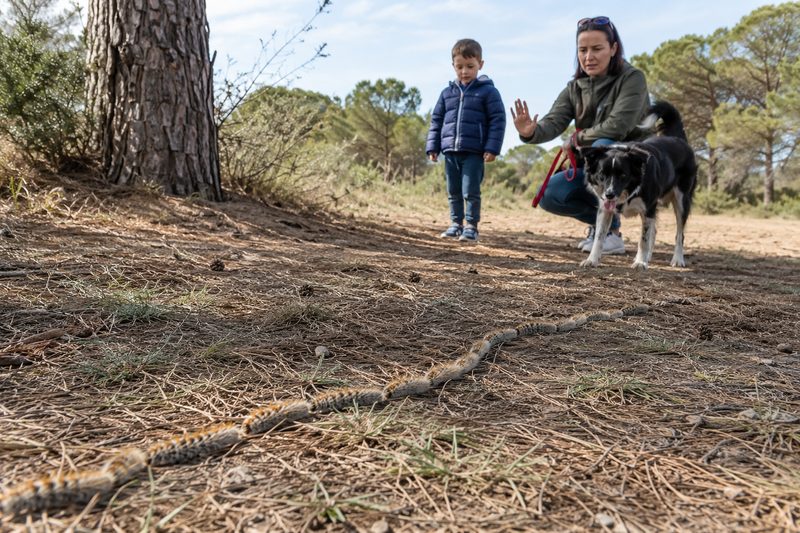
The pine processionary caterpillar does not sting or bite, but it has tiny irritating hairs that can cause inflammation of the skin, eyes and respiratory tract.
Children and pets are particularly exposed because they may be attracted by the distinctive caterpillars moving in a line.
👉 Learn more: Pine Processionary Caterpillars: Symptoms Affecting the Skin, Eyes and Respiratory Tract and What to Do After Contact
When Should You Seek Medical Advice Quickly?
Regardless of the animal involved, certain symptoms should always be taken seriously.
A medical assessment is advisable if any of the following occur:
- difficulty breathing;
- swelling of the lips, tongue or face;
- widespread hives;
- fever;
- very severe pain;
- dizziness or fainting;
- progressive worsening of the lesion;
- neurological symptoms;
- extensive swelling of a limb.
- In young children, pregnant women, older adults and people with chronic illnesses, an even higher level of caution is appropriate.

A Small Useful Kit to Take on Holiday
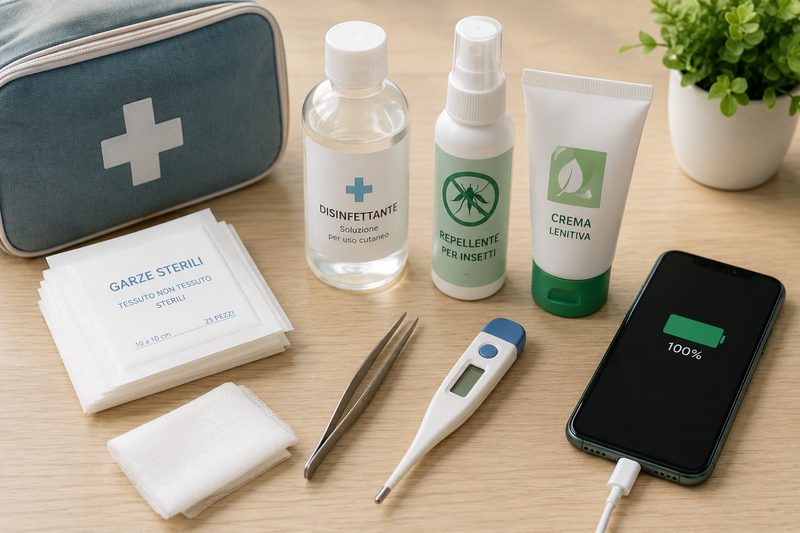
When spending a great deal of time outdoors, it may be useful to carry:
- disinfectant;
- sterile gauze;
- fine-tipped tweezers;
- a thermometer;
- a soothing cream;
- insect repellent;
- an antihistamine recommended by your doctor;
- a fully charged mobile phone.
People with severe allergies to insect stings should always carry the medication prescribed by their specialist.
Frequently Asked Questions About Summer Stings and Bites
How can you tell whether a sting or bite is dangerous?
It is advisable to consult a doctor if there is difficulty breathing, swelling of the face, fever, significant pain or progressive worsening of the lesion.
Which bites or stings can transmit diseases?
In Italy, ticks represent the main infectious risk, while some mosquitoes may occasionally transmit viral diseases.
When should you go to the Emergency Department?
In the event of a severe allergic reaction, breathing difficulties, a viper bite, multiple stings or general symptoms such as dizziness and fainting.
Are children at greater risk?
Children spend more time outdoors and may notice stings or bites only after some time. It is therefore useful to check their skin after hikes, days at the seaside or activities in parks.
Which animals most frequently cause problems during the summer?
Mosquitoes, ticks, bees, wasps, hornets, jellyfish, pine processionary caterpillars and weever fish are among the most common causes of stings, bites and skin irritation.
What should you do if you cannot identify the animal responsible?
Observe the symptoms and the progression of the lesion carefully. If the condition worsens or does not improve within a few days, medical assessment is advisable.

Enjoying Summer Safely
Most stings and bites that occur in Italy during the summer do not cause serious consequences. Knowing what to look for, how to respond during the first few hours and when to seek medical advice makes it possible to enjoy holidays, excursions and days at the seaside with greater peace of mind.
At Aventino Medical Group, the assessment of these episodes may involve different specialists depending on the problem: Dermatology for skin reactions, Allergy for allergic reactions, Internal Medicine for general symptoms, Infectious Diseases for risks related to ticks and infections, and Paediatrics for children and adolescents.
In the event of significant, persistent or difficult-to-interpret symptoms, a medical assessment can help identify complications quickly and provide appropriate guidance. The specialists at Aventino Medical Group are available to residents, expatriates, tourists and international families during their stay in Rome.
Series of articles prepared by the Aventino Medical Group team under the coordination of Dr Catherine Stainier, Head of the Medical Centre.